
A simple daily prioritization method for managers and team leaders who need to turn a flooded inbox into three priorities that actually matter.
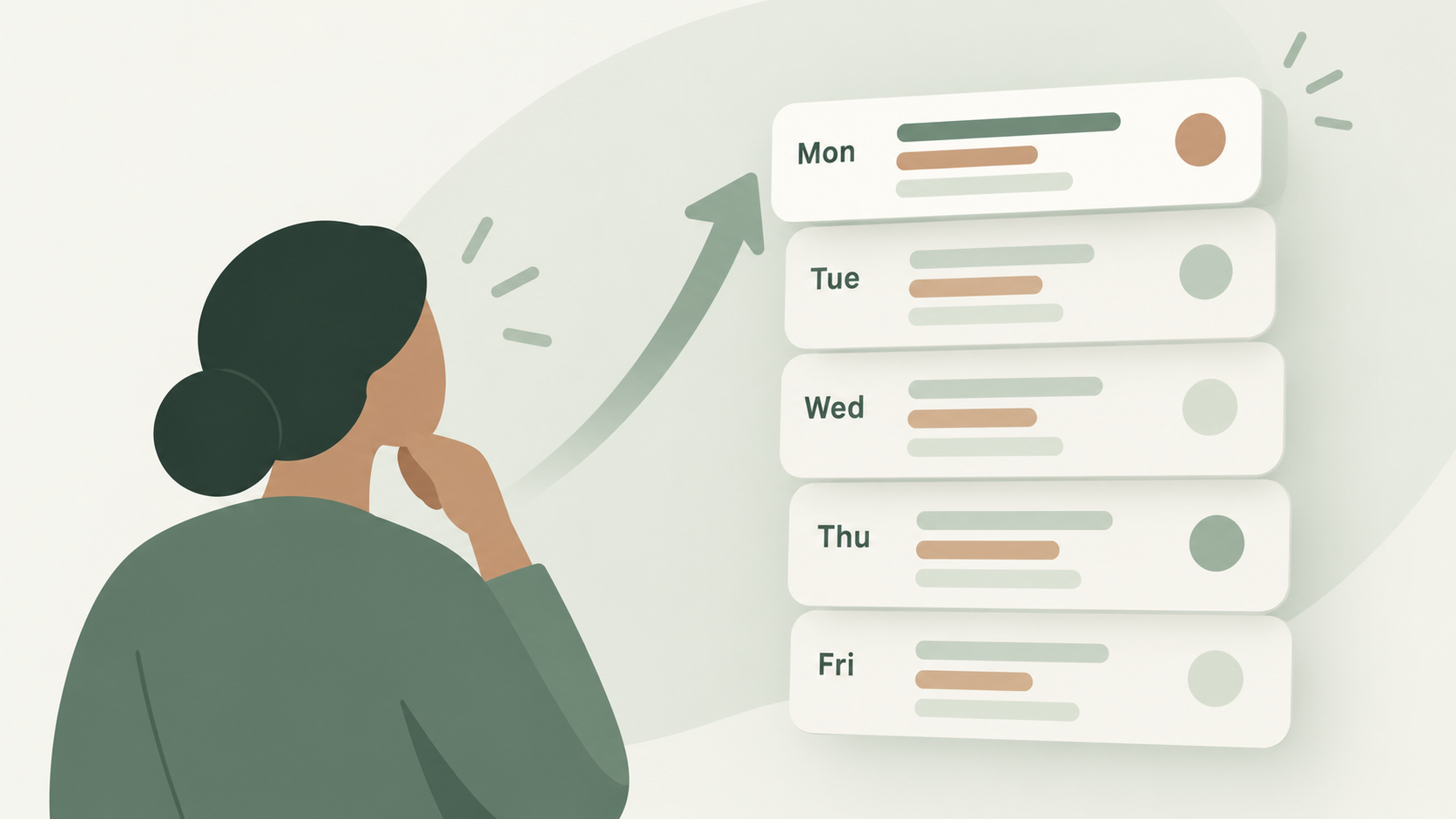
A short weekly rhythm that helps team leaders set direction, notice who needs support, and begin the week with clarity instead of catching up.
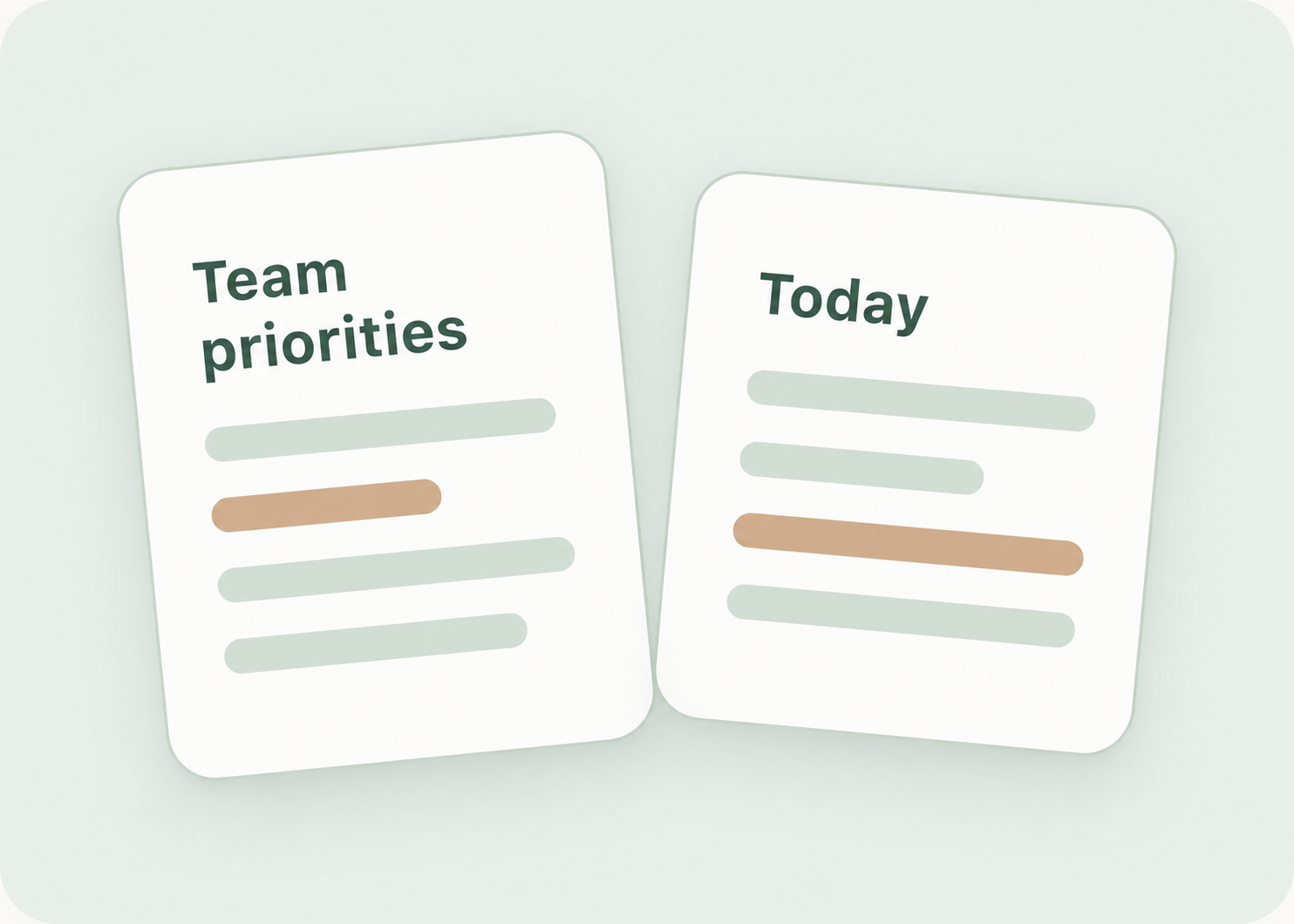
Stop asking your team for status updates. See what everyone is prioritizing today, without another meeting, using SeekFirst's team alignment view.
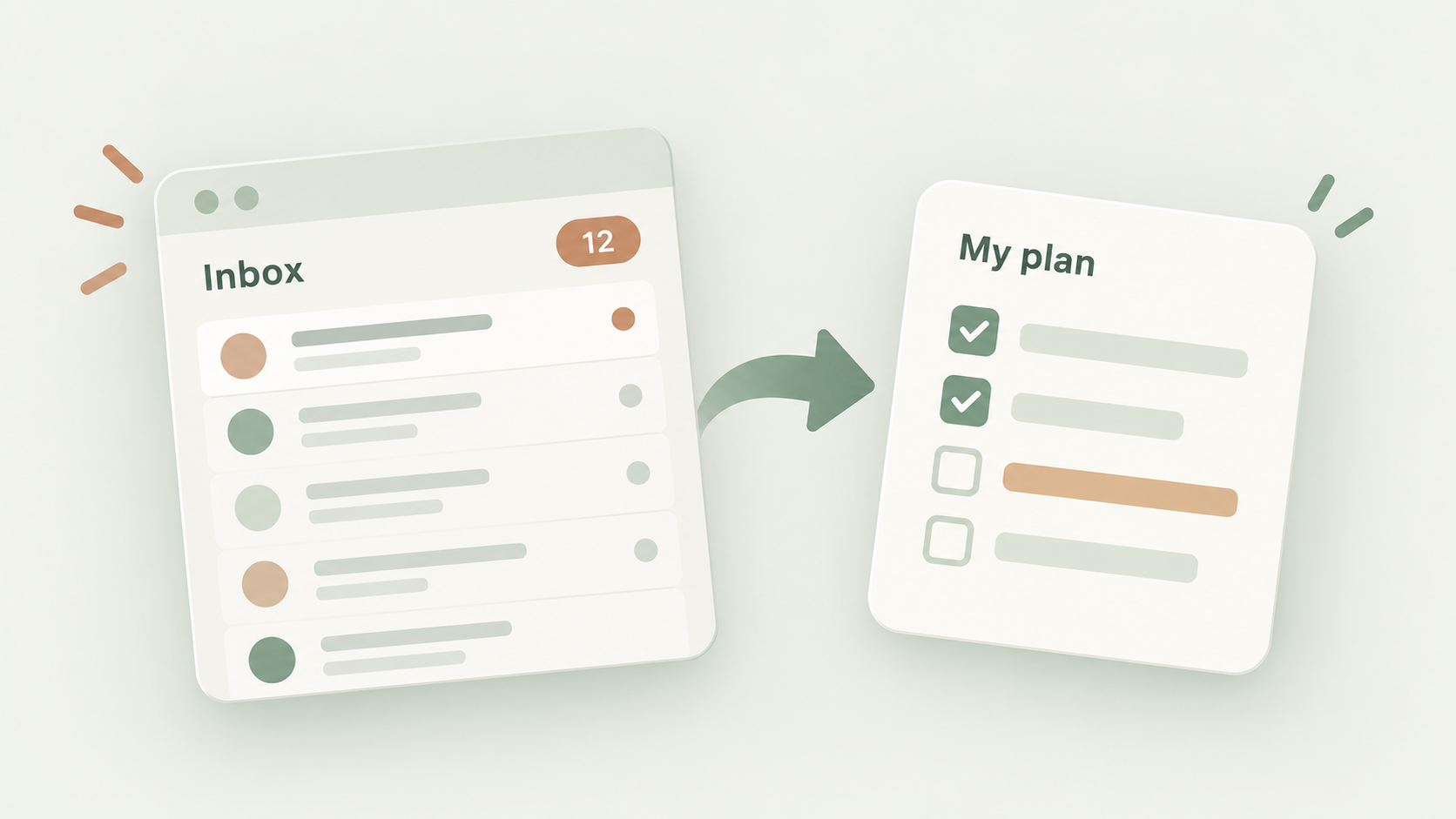
If your inbox decides how your day goes, this guide shows how to turn email, chat, and meetings into a short list of priorities you choose on purpose.

A quick preparation routine that turns your next 1:1 from a status update into a real conversation, without adding hours to your week.
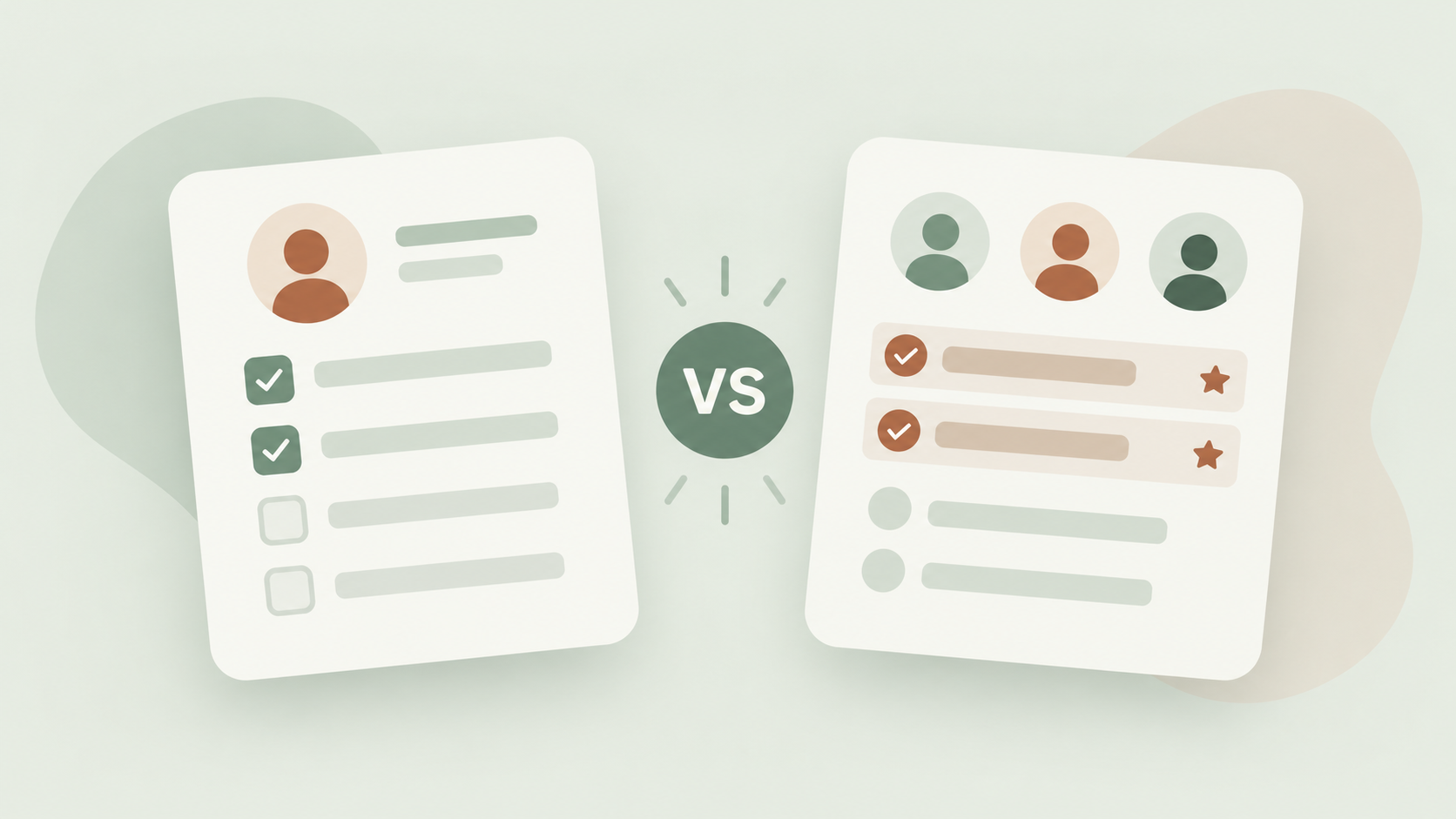
A task manager organizes your list. A team prioritization app helps a whole team focus on what matters today. Here is how to decide which one you need.
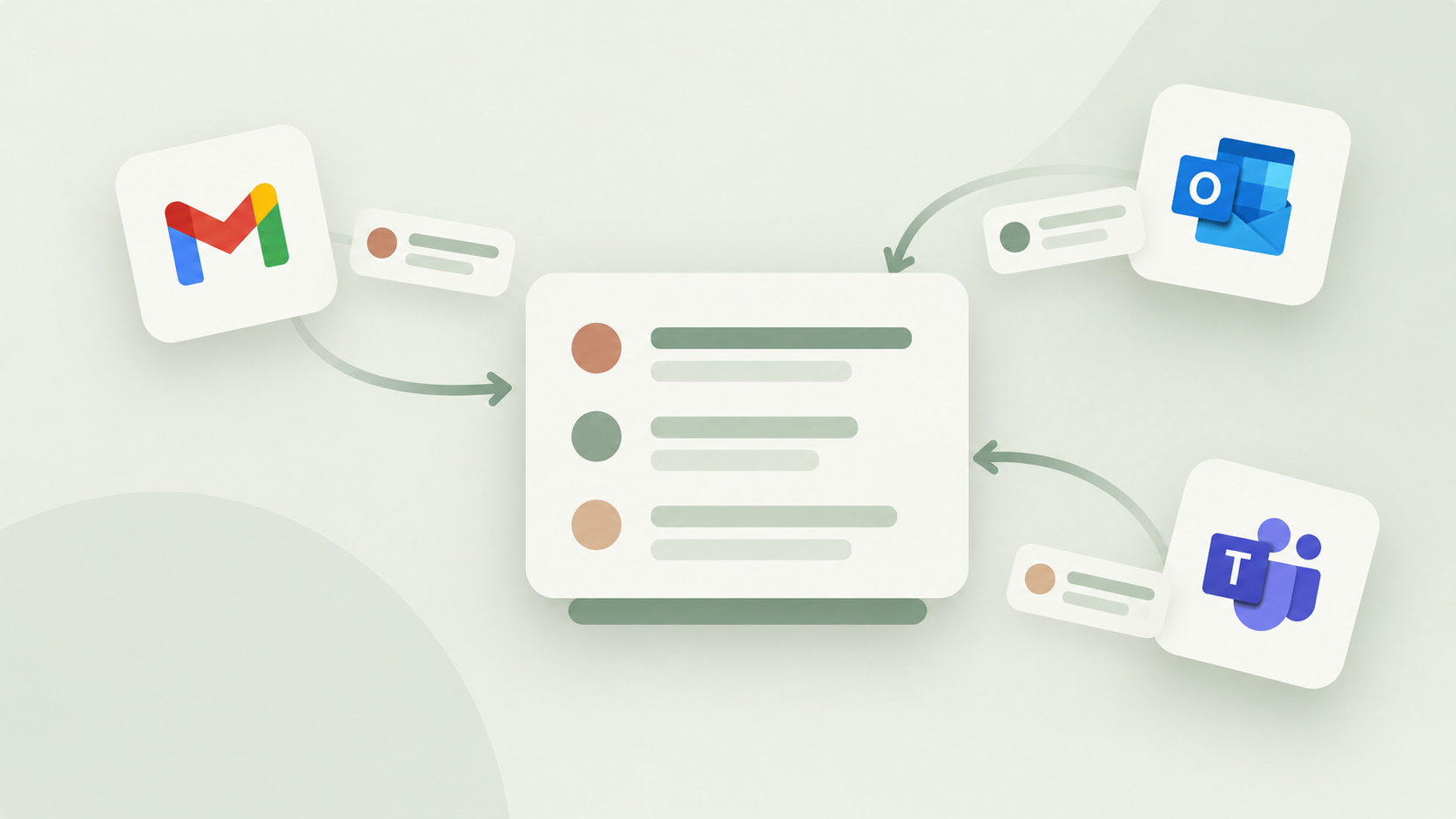
When requests are scattered across email, calendar, and chat, priorities get lost. Here is how to bring them into one view and keep your focus.
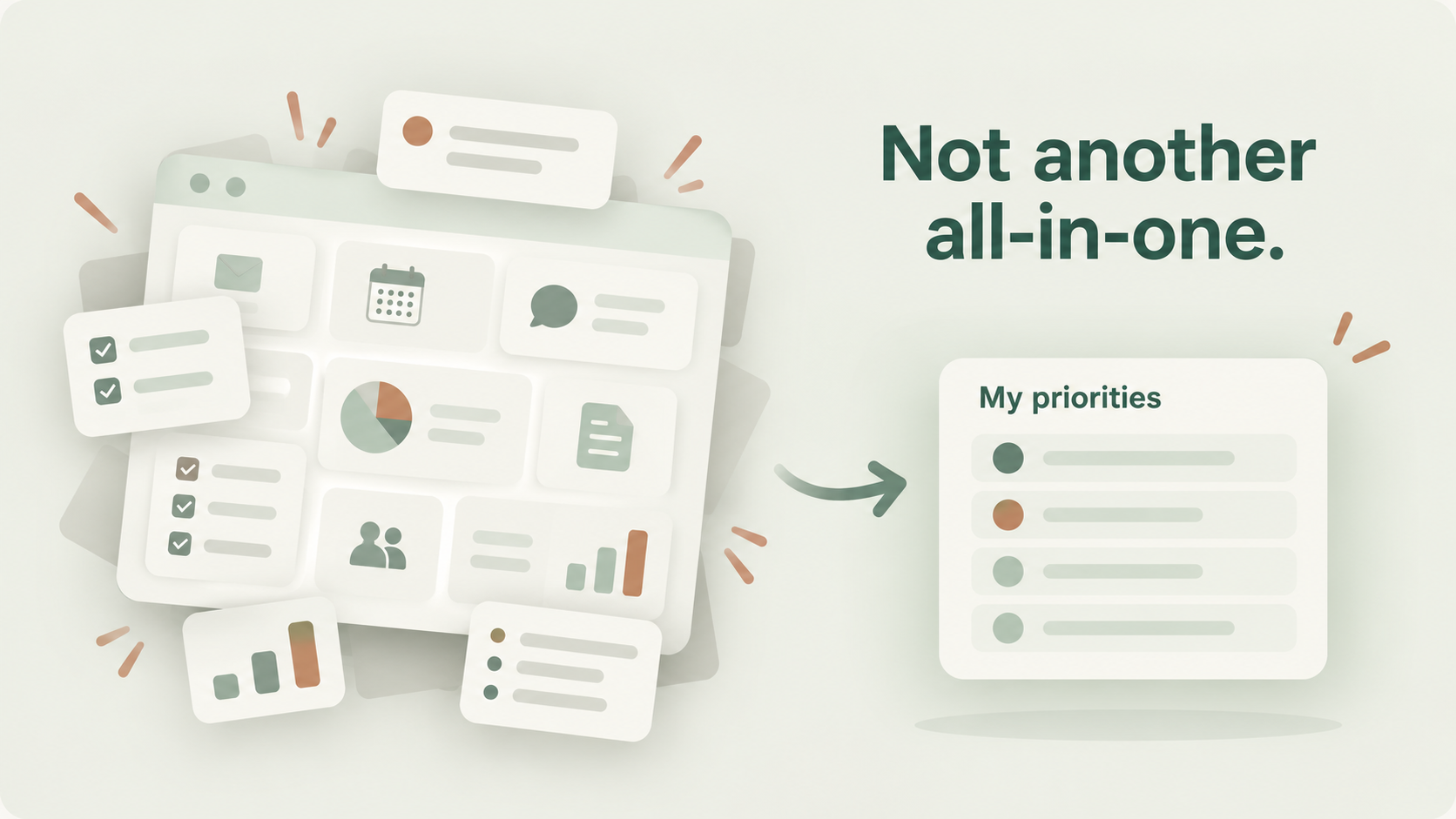
SeekFirst doesn't unlock every feature on day one. Here's why the Win Path earns its way from a daily habit to real leadership development, one stage at a time.
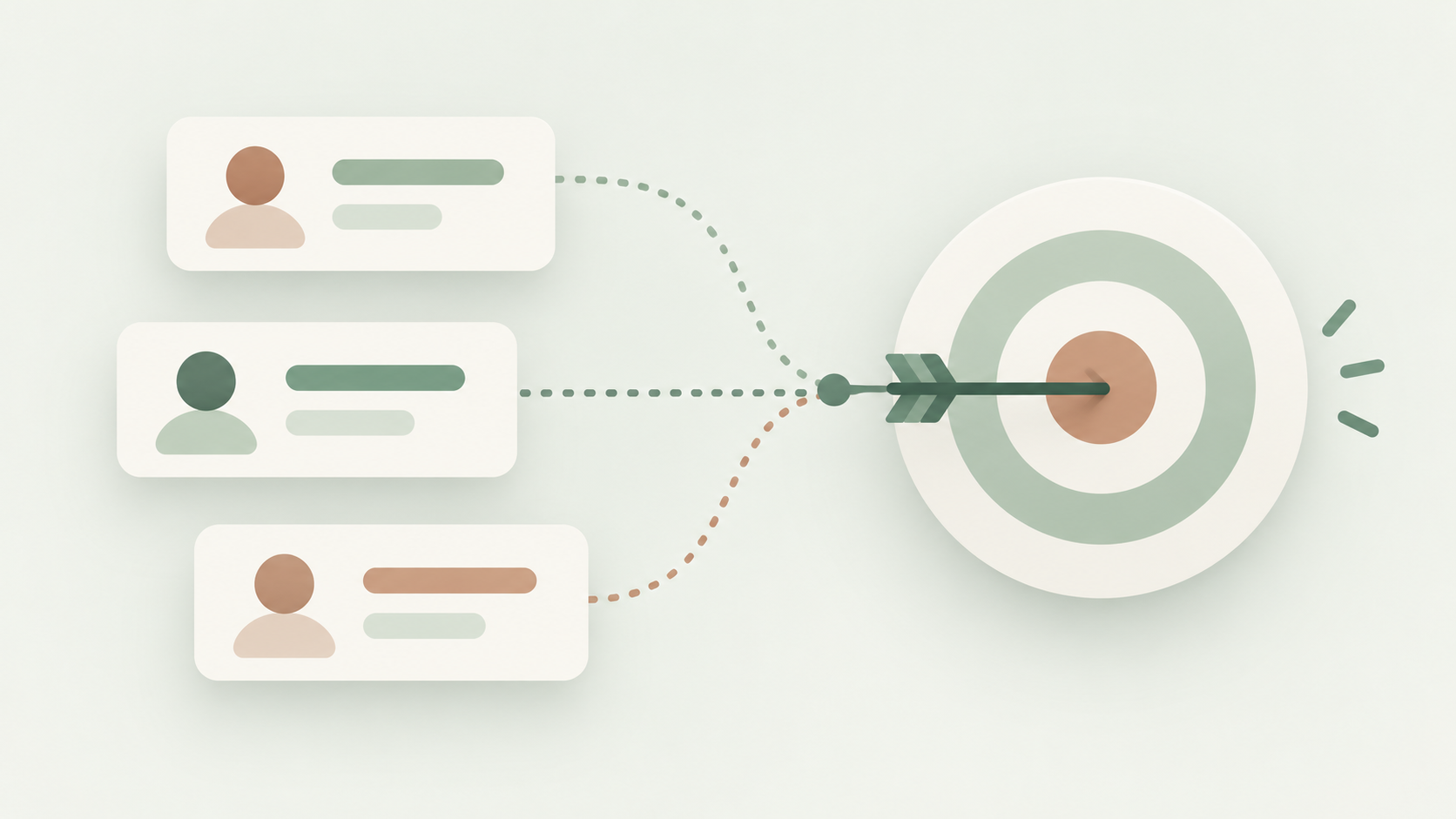
Effort is rarely the problem when a team falls short. Here is how misalignment builds quietly, and what leaders can do to catch it early.
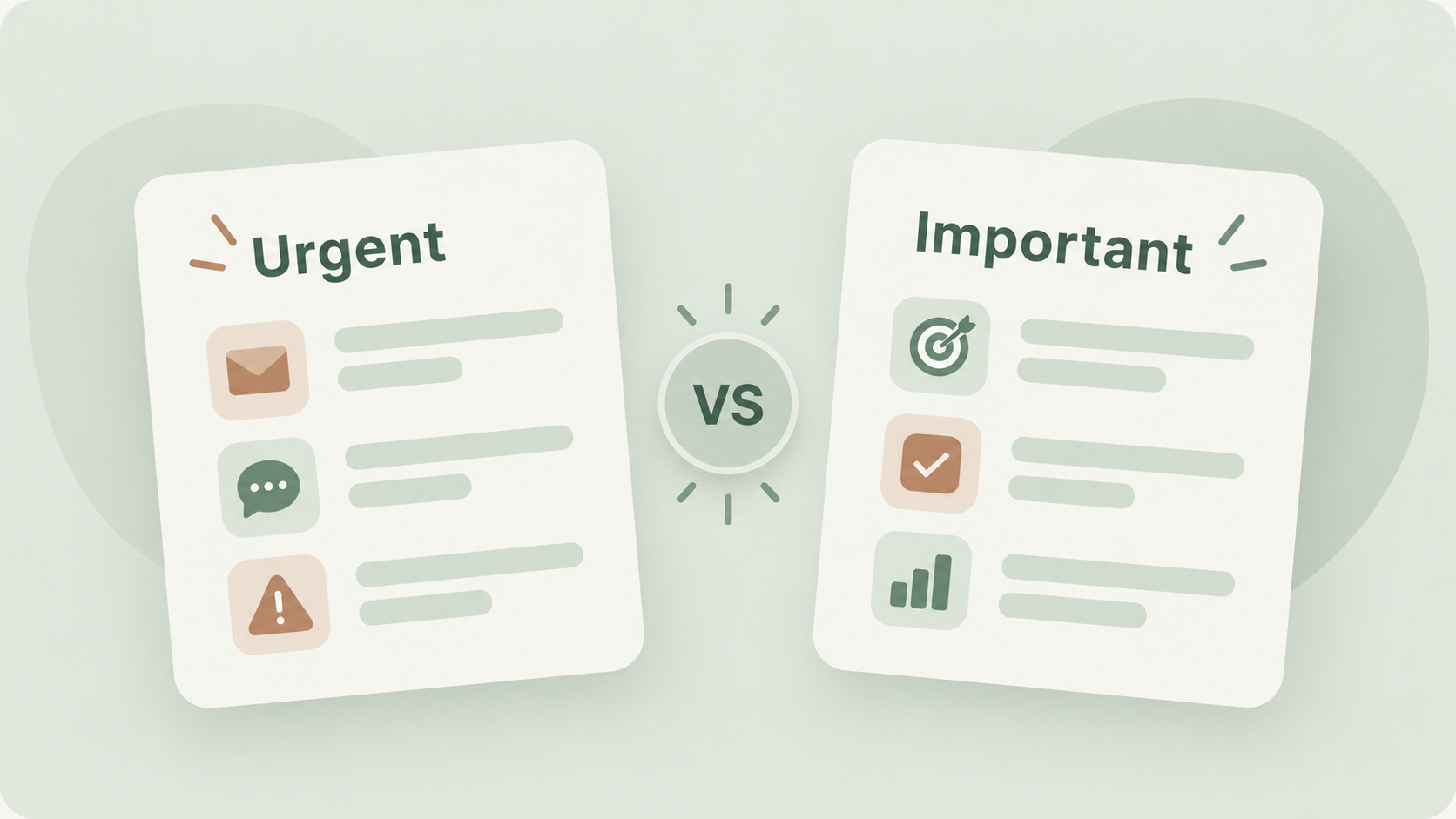
Urgent and important are not the same thing, but they feel identical at 9 a.m. Learn a practical way to separate them before the day gets away from you.
